

In a rural community in Pakistan, a young Christian family has been living through a nightmare that no one should ever have to endure. For their protection, we will call them Khalid and Saba. Their names, location, and other identifying details have been changed, but they are a real family—people with names and faces—who have endured unspeakable trauma and are living in terror of powerful perpetrators. Their suffering is unimaginable but horribly real.
For years, Khalid worked as a farm laborer in rural Pakistan. His job was grueling—long days that often stretched to 12 hours or more. He began each morning before sunrise milking livestock, then continued through the day working in the fields. In return, he was promised a small monthly wage—barely enough to survive. Even that was rarely paid in full.
Khalid, his wife Saba, and their three young children were given a small room beside the barn to live in. Instead of being a place of safety and comfort, their living quarters was a means of control by the brothers who employed him and supervised his work.
According to Saba, the family endured years of harassment and intimidation at the hands of these powerful men, who were connected to local authorities. They were denied fair pay and threatened into silence; even speaking to neighbors could result in the loss of Khalid’s job. When their young son became ill, they asked for money for treatment, and were refused. They were constantly watched, controlled, and threatened.
Then, in January 2026, the situation escalated into brutal violence. While Khalid was away working, Saba was inside their small room with her children. Several men, including their employers, entered and overpowered Saba, tying her and gagging her with her own headscarf. Her children were horrified witnesses to the violent rape.
Saba describes being in shock—screaming, unable to process what had happened, wanting to kill herself. The perpetrators threatened to kill the whole family if she told anyone what happened, and left. Immediately, she called her husband.
Khalid rushed home. When he saw his wife’s injuries, he cried out in anguish. But the attackers had not gone far, and hearing his cries, returned with savagery. What followed was another savage sexual assault, this time of Khalid himself, in front of his wife and children. The entire family were traumatized and weeping; physically, emotionally, and psychologically shattered.
Saba gathered up her courage and called for help. She phoned her brother-in-law, whom we will call Imran, and told him what had happened. When Imran arrived, he called 115, the emergency police line, which should have set off an immediate chain of response pursuing the culprits and caring for the victims.
Instead, the family encountered corruption and obstruction. When the police arrived, the perpetrators had escaped. The victims were taken to the police station, but instead of urgent care and protection, they encountered delay, indifference, and demands for money. They were told to pay large fees for medical examinations—fees impossible for a family already struggling to survive. Critical forensic evidence was lost due to these delays. When a medical exam was finally conducted nearly two weeks later, it was too late to provide any useful evidence to document what they had endured.
The matter reached the Inspector General of the province, who directed the District Police Officer to ensure justice. A complaint was eventually filed, and it seemed that justice might be possible. But the system continued to work against them.
The accused—men with influence and connections—secured pre-arrest bail. Then, unbelievably, what was already a horrible situation turned even worse.
Khalid received a call from the police asking him to come in to discuss the case. There he was arrested on fabricated charges, falsely accused by his employers of stealing an exorbitant sum of money. In custody, he was forced to sign a reconciliation agreement regarding the police report he had filed earlier.
Next, Khalid’s brother Imran received a call telling him that Khalid was to appear in court the following day. When he arrived at the courthouse to support his brother, he also was arrested under false accusations. The criminal complaint named not only Khalid and Imran, but also their four other brothers. This was systematic silencing, with false accusations serving as a warning that anyone who tried to pursue justice in the case would be arrested.
Other family members have now gone into hiding, fearing they will be next. Meanwhile, Saba remains alone with her children—afraid, traumatized, and without protection.
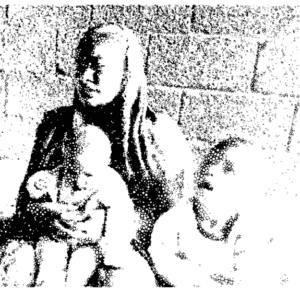
Today, this family faces overwhelming challenges. They have suffered severe trauma affecting both parents and children. Loved ones are detained under false charges, and they have no financial resources to pursue legal action. Worse, they face ongoing threats from influential perpetrators. CAPC has provided them with basic needs and immediate shelter, but they need long-term protection.
Saba’s voice is simple, but urgent: “We are poor. We are victims. My children are suffering. We are afraid every day. We only want justice, and a place where we are safe.”
How You Can Help
This family is real, and their suffering is ongoing. Their names are known. Their legal case exists in Pakistan’s police system. Right now, this family is standing alone against powerful individuals and a system that has failed them. Without help, they have no chance.
Your response can be part of their survival. Your support can:
- Provide legal representation to challenge false charges and pursue justice
- Help secure safe shelter for Saba and her children
- Fund basic survival needs—food, clothing, and medical care
- Offer trauma care for children who have witnessed extreme violence
- Enable advocacy efforts to ensure their case is not buried or ignored, and hold perpetrators accountable.
Without outside help, this family has no path forward. With your support, they have a chance at justice, safety, and healing. Please stand with this family in their darkest hour.